

I’ve played thousands of poker hands and I can tell you this: the rules aren’t nearly as complicated as they look.
You’re probably here because you want to join a game but don’t want to look lost at the table. Smart move. Nobody wants to be that person asking what a flop is while everyone waits.
Here’s the truth: Texas Hold’em has a reputation for being complex. But you can learn everything you need to play in about 10 minutes.
I’m going to walk you through the core rules right now. No jargon dumps. No confusing theory. Just the stuff you actually need to sit down and play your first hand without freezing up.
This guide covers hand rankings, how betting works, and what happens during each round of play. I’ve stripped out everything that doesn’t matter for your first few games.
How to master the poker rules dtrgsgamer is simple: understand the basics first, then refine as you play.
By the time you finish reading this, you’ll know exactly what to do when cards hit the table. You’ll understand when to bet, when to fold, and how a winner gets decided.
No more guessing. No more sitting on the sidelines because the game feels too intimidating.
Let’s get you playing.
The Objective and The Deck: What’s the Goal?
Here’s what you need to win at poker.
Either show down the best five-card hand at the table, or get everyone else to fold before you get there.
That’s it. Two paths to the same pot.
Some players think you always need the cards. Others believe it’s all about reading people and making moves. The truth? You need both options in your toolkit.
When you’re learning how to master the poker rules dtrgsgamer, you start with a standard 52-card deck. No jokers. No wild cards (unless you’re playing some weird home game variant).
Aces sit at the top of the ranking. But here’s the twist. They can also play low when you’re building a straight (think A-2-3-4-5).
Now let’s talk about who does what.
The dealer button marks who’s dealing that hand. It rotates clockwise after each round so everyone gets a turn.
The two players left of the button post the blinds. Small Blind goes first, Big Blind goes second. These forced bets get money in the pot before anyone sees their cards.
Without blinds? Nobody would play anything but premium hands. The game would die.
These positions rotate every single hand. You’ll be the dealer, then the Small Blind, then the Big Blind as play continues.
Fair for everyone. Nobody gets stuck paying blinds all night.
For more detailed strategies and tips, check out dtrgsgamer gamers advice from digitalrgs.
The Most Important Rule: Poker Hand Rankings (From Best to Worst)
Let me be clear about something.
You can’t play poker without knowing hand rankings. Period.
I don’t care how good your poker face is or how well you can read people. If you don’t know whether a flush beats a straight, you’re going to lose money. Fast.
Think of it this way. You wouldn’t drive a car without knowing what the brake pedal does, right? Same deal here.
Here’s what you need to memorize:
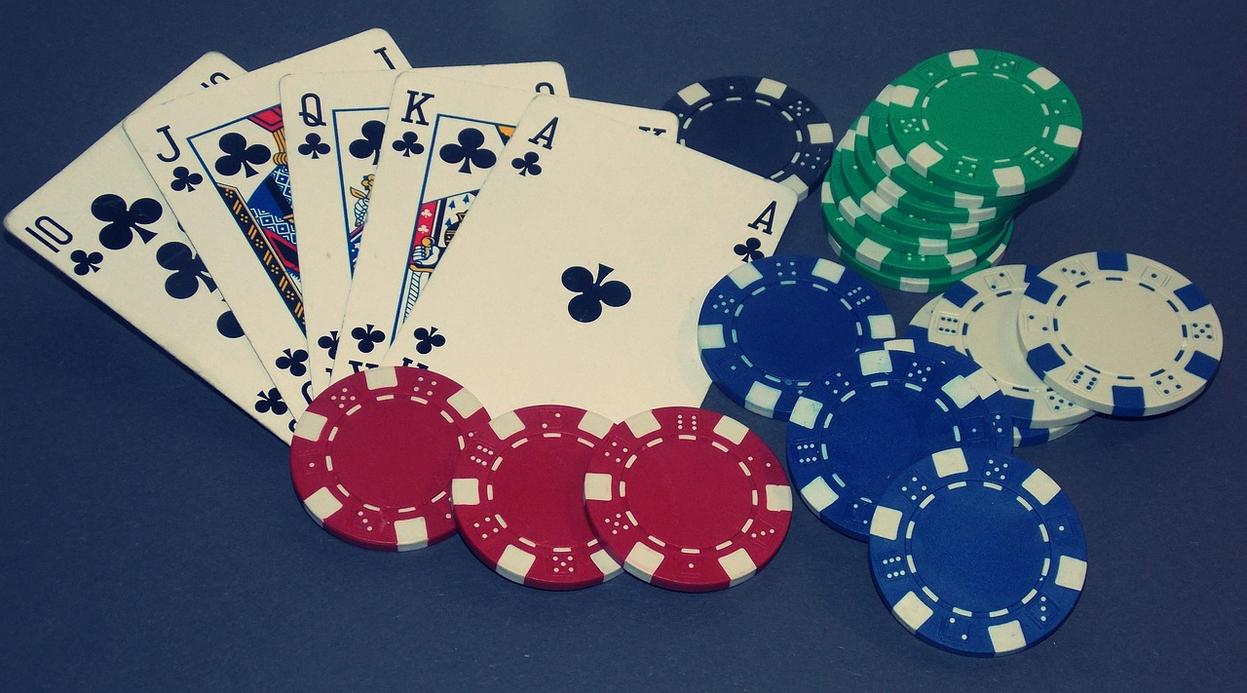
Royal Flush sits at the top. Ten through Ace of the same suit. You’ll probably never see one in real life (but when you do, it’s beautiful).
Straight Flush comes next. Five cards in sequence, all the same suit.
Four of a Kind means exactly what it sounds like. Four cards of the same rank.
Full House is three of a kind plus a pair. Three Kings and two Fives, for example.
Flush is any five cards of the same suit. They don’t need to be in order.
Straight is five cards in sequence. Mixed suits are fine here.
Three of a Kind gives you three cards with the same rank.
Two Pair is self-explanatory. Two different pairs in one hand.
One Pair is just two cards of the same rank.
High Card is what you have when you’ve got nothing else. Your highest card plays.
Now here’s something most beginners miss.
When two players have the same hand type, the kicker decides who wins. Say you both have a pair of Jacks. Whoever has the higher side card (the kicker) takes the pot. Your Jack-Jack-Ace beats their Jack-Jack-King every time.
Want to know how to master the poker rules dtrgsgamer style? Start by drilling these rankings until they’re second nature. I’m talking about knowing them so well you don’t even think about it anymore.
My advice? Print this list out. Keep it next to you during your first few games. No shame in that. But after five sessions, you should have it locked in your brain.
The Flow of the Game: The Four Betting Rounds
You know what trips up most new poker players?
They think it’s all about the cards.
But here’s what a buddy of mine said after losing his first three games: “I had good hands. I just didn’t know when to bet them.”
That’s the real issue. Poker isn’t one decision. It’s four separate chances to read the table and make your move.
Let me break it down.
Stage 1: Pre-Flop
This is where it starts. You get your two hole cards (the ones only you can see). Everyone at the table makes their first decision. Do you play or fold?
I remember asking a dealer in Cleveland how many people mess this up. He laughed and said, “About 80% of beginners play hands they should’ve folded immediately.”
Stage 2: The Flop
Now three community cards hit the table face-up. Everyone can use them. This is where things get interesting because you can actually see how your hand might shape up.
The second betting round happens here. Some players get excited too fast. Others freeze up.
Stage 3: The Turn
One more community card drops. That’s four cards on the table now. The third round of betting kicks in.
This is where I see people either gain confidence or start sweating. You’re one card away from seeing the full picture.
Stage 4: The River
The fifth and final community card appears. Last chance to bet. If multiple players are still in, you head to the showdown and reveal your hands.
Think of how to master the poker rules dtrgsgamer as clearing a level in a video game. Each stage builds on the last one. You can’t skip ahead and you can’t go back.
One pro told me, “Most people lose money on the river because they’ve already committed too much to walk away.”
That stuck with me.
The dtrgsgamer gaming guide by digitalrgs covers this in more detail, but the main thing to remember is simple. Four rounds. Four chances to make the right call.
Master the flow and you’ll stop making rookie mistakes.
Your Turn to Act: The 5 Core Player Actions
When the dealer looks at you, you’ve got five choices.
That’s it. Just five.
And here’s why this matters. Once you know these moves cold, you stop freezing up at the table. You start thinking about strategy instead of scrambling to remember what you can even do.
Let me break down your options.
Check means you pass without putting money in. You can only do this if nobody’s bet yet this round. It keeps you in the hand without risking anything.
Bet is when you’re the first to put money in during a betting round. You’re setting the price for everyone else to stay in.
Call means you match whatever someone else bet. You’re paying to see the next card or showdown.
Raise bumps up the current bet. Everyone else has to match your new amount if they want to keep playing.
Fold is giving up. Your cards go in the muck and any money you put in stays in the pot. Sometimes it’s the smartest move you can make.
Now some players say you should never fold once you’ve put money in. They think it’s wasting chips. But that’s backward thinking. Throwing good money after bad is how you go broke.
The real benefit? When you understand these five actions, you control your risk. You decide when to push and when to back off. That’s how you master the poker rules dtrgsgamer teaches.
Each move serves a purpose. Learn when to use which one and you’re already ahead of half the table.
You Have the Rules, Now Get the Reps
You now understand the objective of poker, the hierarchy of hands, the sequence of play, and the actions you can take.
The confusion and intimidation of not knowing the rules are gone. You have a clear framework to follow.
This guide focuses only on the critical rules. You get a solid foundation without getting buried in advanced strategy you don’t need yet.
Here’s the thing: reading about poker only gets you so far.
The best way to master the poker rules dtrgsgamer is to actually play. Start with low-stakes or free-play online games to practice what you just learned.
Your first few hands will feel awkward. That’s normal.
But after a dozen rounds, the sequence becomes automatic. You’ll stop thinking about what comes next and start thinking about how to play better.
The rules are in your head now. Time to put them to work.