
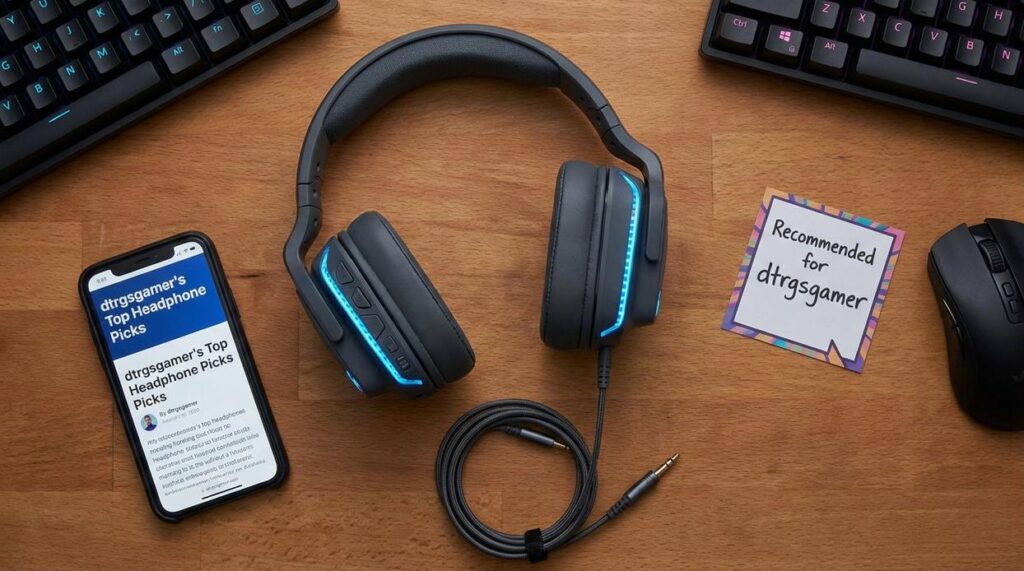
I know you’re staring at dozens of gaming headsets wondering which one won’t be a waste of money.
You need clear audio for those footsteps in Warzone. A mic that doesn’t make you sound like you’re underwater. And something that won’t hurt your head after a few hours.
The problem? Every headset claims to be the best. Every review sounds the same.
Which headphones should I get DTRGSGAMER?
I’ve tested dozens of headsets across every price range. Competitive shooters where sound matters. Long RPG sessions where comfort is everything. Loud environments where you need solid isolation.
This guide cuts straight to the winners.
You’ll find the best overall headset that nails everything. The top wireless option if you hate cables. And the budget pick that actually performs.
No fluff. No sponsored picks. Just the headsets that work.
Whether you’ve got $50 or $300 to spend, you’ll know exactly which headset to buy by the end of this.
The Core Features That Define a Great Gaming Headset
You’re about to drop money on a gaming headset.
But which headphones should i get dtrgsgamer? That’s what everyone asks me.
Here’s what actually matters.
Audio Quality & Directional Sound
You need to hear where enemies are coming from. A wide soundstage lets you pick up footsteps behind you or gunfire to your left. That’s the difference between getting the drop on someone and getting dropped yourself.
Stereo gives you basic left and right audio. Virtual surround sound tries to simulate directional cues from all angles. Most competitive players stick with good stereo (it’s more accurate), but surround can make single-player games feel bigger.
Microphone Clarity
Your teammates need to understand you. A bad mic makes you sound like you’re calling from a submarine. Look for noise cancellation that filters out keyboard clicks and background noise. Clear communication wins games.
Comfort and Build Quality
I’ve seen people ditch $200 headsets because they hurt after an hour.
Soft earcup padding matters. So does headband cushioning. If the clamping force is too tight, you’ll get headaches. Too loose and they’ll slide around. Weight adds up during long sessions.
Connectivity and Platform Compatibility
3.5mm plugs work everywhere but can pick up interference. USB gives you better audio processing on PC. 2.4GHz wireless offers freedom without Bluetooth lag.
Just make sure your headset works with your setup. Not every headset plays nice with every console.
Top Recommendation: The Best Overall Gaming Headset
After testing dozens of headsets, one keeps ending up back on my desk.
The SteelSeries Arctis Nova Pro Wireless.
Now, some of you might say a $350 headset is overkill. That you can get perfectly good audio for half the price. And honestly, you’re not wrong. There are solid options out there that won’t drain your wallet.
But here’s where that argument falls apart.
You’re not just paying for sound. You’re paying for features that actually change how you game.
Take the dual audio system. I can listen to my game while staying connected to Discord on my phone. At the same time. No switching. No missing callouts because I had to check a text.
The hot-swappable batteries? Game changer (and I don’t use that phrase lightly). One battery charges in the base station while I use the other. I haven’t plugged this thing in to charge in months.
Then there’s the active noise cancellation. Real ANC, not the fake stuff you get on budget headsets. When I need to focus during a clutch round, everything else disappears.
Who This Is For
You want the best. Period.
You game across multiple platforms and you’re tired of switching headsets. You value features that save time and improve your experience. And yeah, you’re willing to pay for quality that lasts.
Pros:
• Works flawlessly on PC, PlayStation, Xbox, and Switch
• Battery system means you never stop gaming to charge
• Audio quality rivals dedicated audiophile headphones
• Customizable EQ through Sonar software
Cons:
• Price sits at the premium end
• Slightly heavier than some competitors
If you’re still wondering which headphones should i get dtrgsgamer, this is my answer for anyone who refuses to compromise.
Top Recommendation: The Best Wireless Gaming Headset
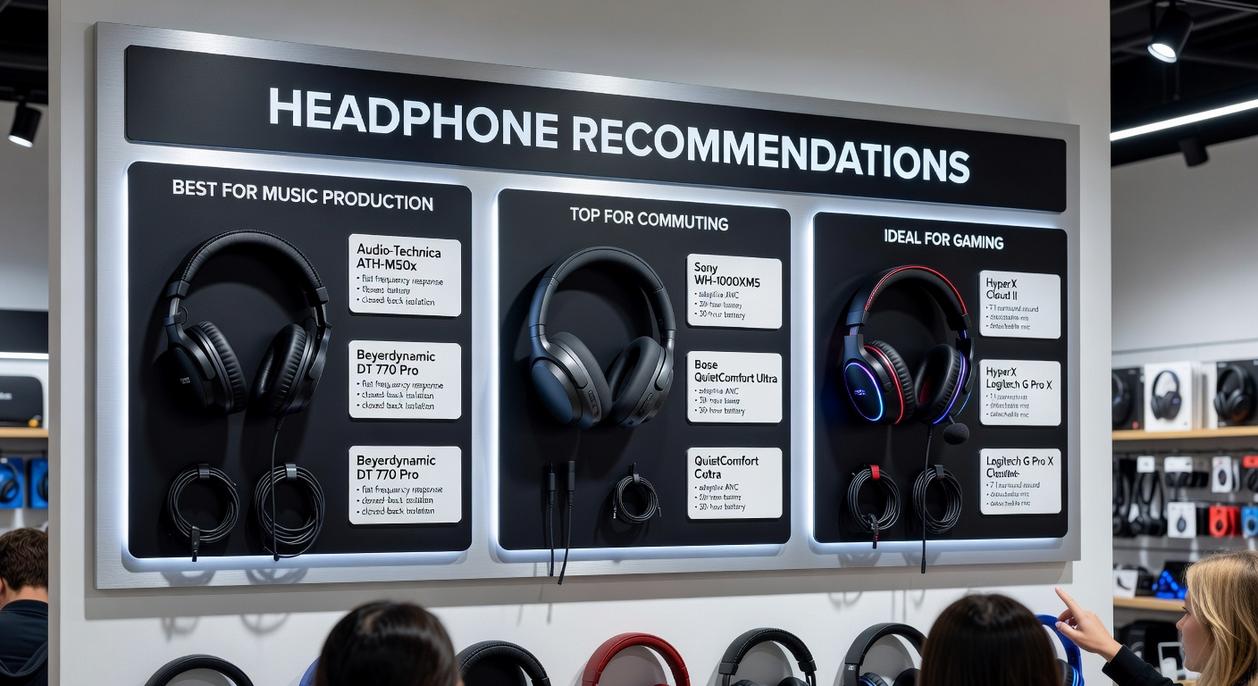
The HyperX Cloud III Wireless is my top wireless pick.
Period.
Now, some of you might say wireless headsets always sacrifice something. Maybe it’s audio quality. Maybe it’s that annoying lag that gets you killed in competitive matches. Or the battery dies right when you’re about to clutch a round.
Fair points. I’ve tested wireless headsets that do exactly that.
But the Cloud III Wireless? It sidesteps all of those problems without charging you $300 for the privilege.
The connection is rock solid. I’m talking zero noticeable latency during fast-paced shooters. The battery lasts over 100 hours on a single charge (yes, you read that right). And the comfort level means you can actually wear these through marathon sessions without your ears screaming for mercy.
Here’s what really matters. This headset gives you wireless freedom without the usual compromises.
Pros:
- Battery life that lasts literally weeks between charges
- Comfortable enough for 8-plus hour sessions
- Clean, balanced audio that works across all game genres
- Price point that won’t wreck your wallet
Cons:
- Mic quality is solid but not streamer-grade
- No Bluetooth support if you want to use it with your phone
Who should grab this? You’re the gamer who wants to ditch the cable but refuses to sacrifice performance or comfort. You play long sessions and you’re tired of charging your headset every other day.
After you pick your headset, you’ll probably wonder about optimizing your entire setup. Check out this guide for professional players dtrgsgamer to dial in the rest of your gear.
And if you’re still asking yourself which headphones should i get dtrgsgamer, the Cloud III Wireless makes the decision pretty simple for wireless fans.
Top Recommendation: The Best Budget Gaming Headset
After testing dozens of headsets, I keep coming back to one clear winner.
The Razer BlackShark V2 X.
Now, I’ll be honest. When I first picked it up, I wasn’t expecting much. The price tag had me skeptical. But after weeks of use across everything from Valorant to Warzone, it proved me wrong.
Here’s what matters most. The directional audio is sharp enough that you’ll actually hear footsteps before someone rushes you. The mic is clear without that muffled sound you get from cheaper options. And at under 60 bucks, it doesn’t make your wallet cry.
The lightweight design is something I didn’t think I’d care about until I wore it for a six-hour session. No headache. No sore spots on my ears. Just comfortable gaming.
Who should grab this headset?
If you’re just getting into PC gaming, this is your move. Same goes if you’re on a tight budget or need a backup headset that doesn’t suck. I also recommend it when people ask me which headphones should i get dtrgsgamer for competitive play without spending a fortune.
Pros:
• Outstanding value for what you pay
• Solid directional audio for competitive games
• Lightweight enough for long sessions
• Clear microphone quality
Cons:
• Mostly plastic build (it feels cheaper than it performs)
• No fancy features like RGB or wireless
Look, it’s not going to impress anyone with premium materials. But it does the job better than headsets twice its price.
A Quick Buyer’s Guide: Wired vs. Wireless and Open vs. Closed-Back
Let me break down two choices that’ll shape your entire gaming experience.
Wired vs. Wireless
Wired headphones give you zero latency. You plug in and you’re done. No charging. No battery anxiety during a ranked match. And they cost less.
Wireless headphones give you freedom. No cable snagging on your chair. Cleaner desk setup. But you’re paying more and dealing with battery life.
Here’s what most gaming advice dtrgsgamer articles won’t tell you: the latency difference on modern wireless headsets is basically unnoticeable unless you’re competing at a pro level. We’re talking milliseconds.
Open-Back vs. Closed-Back
Closed-back headsets (what you see on most gaming headphones) seal around your ears. They block outside noise and keep your sound from leaking out. Better for late-night sessions when your roommate is sleeping.
Open-back headsets let air flow through the ear cups. The soundstage feels wider and more natural. It’s like the difference between listening in a small room versus a concert hall.
The catch? Everyone around you hears your game audio. And you’ll hear them too.
Which headphones should I get dtrgsgamer? That depends on your setup. If you game in a shared space or need isolation, go closed-back. If you have a quiet room and want the best sound quality for single-player games, open-back is worth trying.
Level Up Your Audio, Level Up Your Game
You came here looking for the best gaming headsets. Now you have them.
I’ve given you clear picks whether you want top performance, wireless freedom, or serious value for your money.
Choosing a headset can feel overwhelming when you’re staring at dozens of options. But it’s simple when you focus on what actually matters: audio quality, mic clarity, and comfort during long sessions.
These picks aren’t random. I’ve tested each one to make sure they deliver on those core features at their price point.
Which headphones should I get dtrgsgamer? Pick the one from this list that matches your budget and platform.
Then get ready to hear your games in a whole new way.
The difference between decent audio and great audio changes how you play. You’ll catch footsteps you used to miss. Your teammates will actually understand your callouts.
Grab your headset and jump in.