
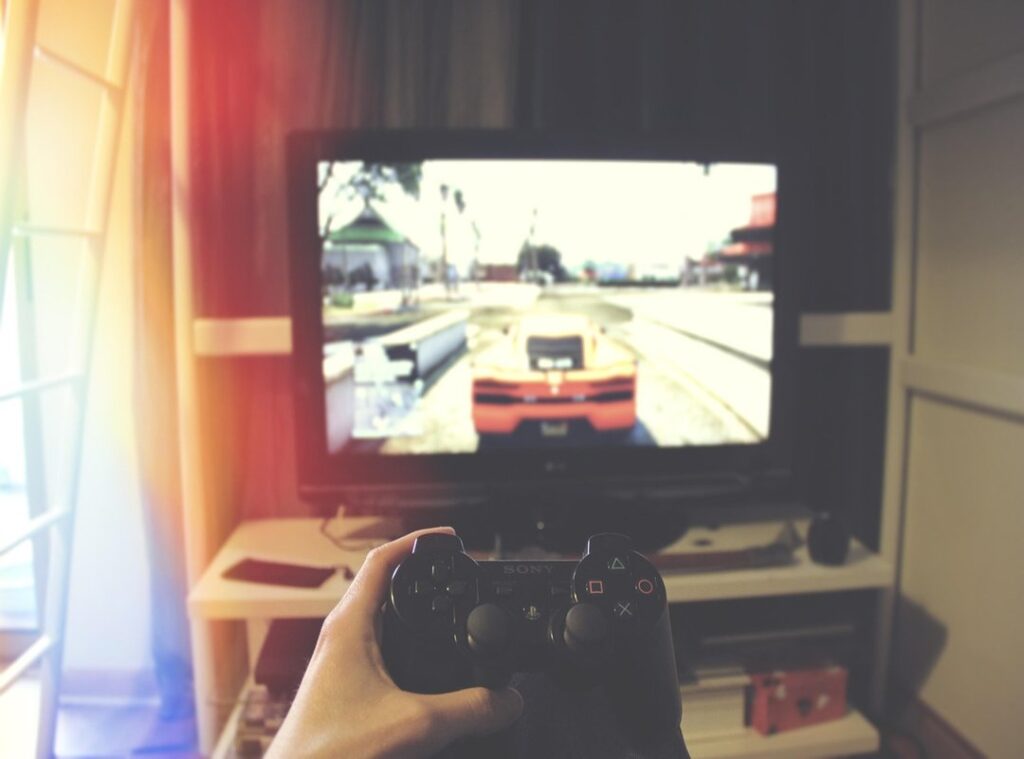
If you think gaming is just about flashy graphics and epic storylines, think again. The gaming consoles history is a wild ride that shows how we got to where we are today.
I mean, how did we go from bulky cartridges to sleek downloads? What shaped the evolution of gaming consoles?
Let’s dig into the ups and downs, the innovations and failures that crafted this industry. Each console has a story. Some changed the game entirely, while others faded into obscurity.
I’ve spent countless hours researching this, and I promise you’ll find some surprising takeaways. You’ll learn about the pioneers who dared to push boundaries and the trends that defined eras.
By the end of this article, you’ll have a solid grasp of the key players and milestones in gaming consoles history. Get ready to impress your friends with your newfound knowledge. Let’s jump into it!
The Genesis of Joy: From Arcades to Living Rooms
Do you remember the Magnavox Odyssey? I bet most people don’t. It was the first home gaming console, a true relic from the ’70s.
No flashy graphics, just basic lines and dots. But hey, it was new! This was where gaming consoles history truly began.
Then came the Atari 2600, and it changed everything. Suddenly, video games weren’t just for arcades. Pong, Space Invaders, and Pac-Man became household names.
Kids everywhere begged their parents for one. It turned gaming into something you did at home, not just on weekends at the arcade (no more quarter hoarding).
But let’s be real, those early consoles had limitations. Graphics were simple, and controllers were clunky joysticks. The cartridges?
They sometimes needed a good blow to work (you know what I’m talking about). Developers had to get creative with what little tech they had.
And then—bam. The video game crash of 1983 hit. It nearly wiped out the industry.
But it forced everyone to rethink and innovate, shaping the future of gaming. Without those struggles, who knows where we’d be now? Gaming’s come a long way since those pixelated days!
The Bit Wars: Icons and Innovations
The gaming consoles history took a wild turn with the NES. Nintendo’s clever business model and unforgettable games like Super Mario Bros. and Zelda redefined home entertainment. I mean, who didn’t want to stomp on Goombas all day?
Then came the 16-bit era. Sega’s Genesis brought the heat with its “blast processing” (whatever that meant). Suddenly, it was Mario vs.
Sonic, and this rivalry wasn’t just about games. It was personal.
Mascots like Mario and Sonic weren’t just characters; they were symbols. They turned consoles into cultural icons, and we all had our loyalties. This era wasn’t just about characters, though.
It was about technological leaps. Improved graphics and sound made games feel more real, and complex mechanics challenged us in ways we’d never imagined.
These consoles weren’t just machines; they were vehicles of cultural change. Gaming went from niche hobby to mainstream phenomenon, sparking communities and debates. It was a time when arcades were still cool, but home was where the real action happened.
Want to break into gaming industry? Understanding this history is your first step. The 8-bit and 16-bit eras laid the foundation for everything we love today.
Leaping into Dimensions: The 3D Revolution and CD-ROM Power
Remember when gaming took a quantum leap into 3D? Consoles like the PlayStation, Nintendo 64, and Sega Saturn changed the game; they redefined it. Suddenly, we weren’t just playing; we were immersed.
And let’s not forget the magic of CD-ROMs. They gave us larger worlds, full-motion videos, and audio that didn’t sound like a dying robot.
The PlayStation was a game-changer. Developers loved it because it was easy to work with, which meant more games and more variety. Nintendo 64, on the other hand, brought us the analog stick and the rumble pak (remember that little buzz?).
It focused on first-party titles, and boy, did they deliver.
By the time the sixth generation rolled around, gaming consoles were more than just toys. The PlayStation 2 doubled as a DVD player, while the Xbox introduced a solid online service with Xbox Live. This was a big deal.
If you’re curious about how all these changes fit into the broader gaming consoles history, it’s worth a deeper dive.
The evolution was fast, and each console had its own flair. Who knew a little plastic box could hold so much power?
Beyond the Box: Gaming’s Evolutionary Leap
Let’s cut to the chase: the seventh generation of gaming consoles rocked the industry to its core. Remember when high-definition graphics felt like a revelation? The Xbox 360, PS3, and Wii ushered us into an era where gaming became a visual feast.

And who can forget the Wii’s motion controls? It brought in everyone from your little cousin to your grandma. Suddenly, gaming wasn’t just for the hardcore crowd anymore.
But here’s the kicker: digital distribution started changing how we got our games. No more midnight lines at GameStop (though I kind of miss them). Instead, we downloaded directly to our consoles.
This shift meant we stored our gaming lives on tiny hard drives.
Fast forward to the eighth generation. The PS4 and Xbox One took graphical fidelity to new heights. Indie games found a home on these platforms, breaking the traditional mold.
Then came the Nintendo Switch, blending home gaming with portability. A real game-changer.
Want to know more about the industry’s challenges? Dive into Behind Scenes Game Development Challenges. It’s a wild world behind the curtain.
Gaming consoles history reveals how far we’ve come. And hints at where we’re going next.
Gaming’s Next Frontier: Cloud, Cross-Play, and Consoles
Let’s face it: the days when consoles were just boxes under the TV are over. Now, they’re like mini supercomputers with ultra-fast SSDs and ray tracing. You feel the difference when you play.
And haptic feedback? It’s not just a gimmick.
Now, it’s all about subscriptions. This shift is redefining the “gaming consoles history” we thought we knew.
Cloud gaming is shaking things up too. With services like Xbox Game Pass and PlayStation Plus, owning games is almost old school. Remember when you had to swap discs?
Cross-play is another game changer. (Pun intended.) Finally, we can play with friends on different systems. It’s breaking down barriers and making games more about fun than hardware wars.
And then there’s VR and AR. Imagine the potential impact on future consoles. We’re talking about a whole new level of immersion.
It’s like stepping into a sci-fi movie.
But what’s next? Maybe we’ll see consoles that adapt to our play styles or integrate AI in ways we can’t even imagine yet. Whatever happens, one thing’s clear: the future of gaming is as unpredictable as it is exciting.
The Legacy Lives On
I’ve traced the evolution of gaming consoles history from their humble beginnings to today’s solid hubs of entertainment. Without this context, we risk overlooking the brilliance behind every console generation. It’s a human creativity and our unending desire for interactive fun.
Now it’s your turn. What console shaped your gaming life? Share your favorite memories and thoughts on impactful generations.
Join the conversation on DTRGS Gamer’s platform. Let’s dig into the current trends too. Your voice matters.
Connect with fellow gamers and celebrate our shared passion for gaming. Don’t miss out; join us today!