
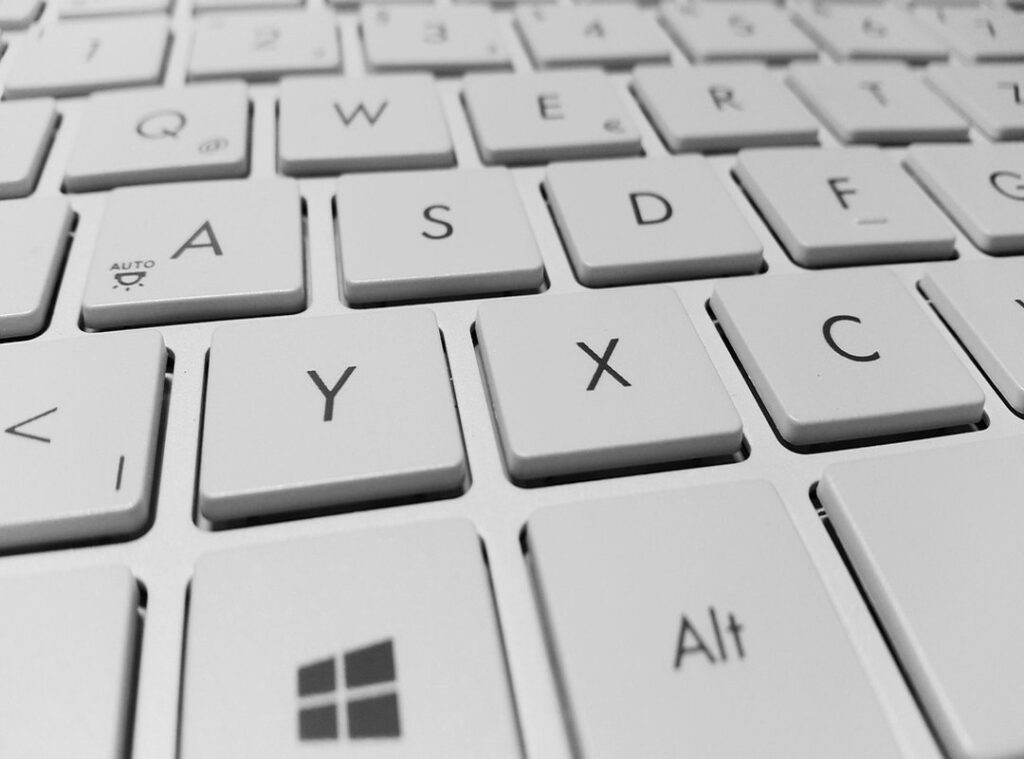
I used to think any keyboard would do.
Then I missed a headshot because my keys stuck.
You’re here because you want to know Which Gaming Keyboard Is Best Pmwgamegeek. Not some flashy review site’s top pick. Yours.
There are hundreds of keyboards out there. RGB everywhere. Switches named after food.
It’s exhausting.
You don’t need more noise.
You need clarity.
I’ve tested dozens. Twitch shooters, MOBAs, even typing-heavy RPGs. Some feel like typing on gravel.
Others make your fingers tired after twenty minutes.
This guide cuts through the hype. No jargon. No fake “pro tips.”
Just what actually matters: key feel, layout, build, and how it fits your hands and your games.
You’ll learn whether linear switches really help in Valorant. Or if a tenkeyless board slows you down in League. Or why wrist support isn’t optional for long sessions.
By the end, you’ll know exactly what to buy. Not what some influencer says is cool. No confusion.
No buyer’s remorse. Just a keyboard that works.
Mechanical vs Membrane: What You Actually Feel
Which Gaming Keyboard Is Best Pmwgamegeek? I’ll tell you straight (it’s) about what’s under the keys.
Mechanical keyboards have a separate switch under every single key. That switch clicks or bumps when you press it. You feel it.
You hear it. It lasts longer and responds faster.
Membrane keyboards use one big rubber dome sheet under all the keys. Press down, the dome collapses. It’s quiet.
It’s cheap. But it feels mushy. And it lags just enough to matter in fast games.
Cherry MX Reds? Light pressure. No click.
Great for rapid tapping. Cherry MX Blues? Loud click.
Tactile bump. You know it registered. Cherry MX Browns?
In-between. A little bump, no click. Good for offices (or rooms with thin walls).
You don’t need Blue switches just because they sound cool. You do need mechanical if you play FPS or MOBA competitively. You don’t need them if you type emails and hate noise.
Budget matters. A decent membrane keyboard costs $20. A solid mechanical starts at $60.
That extra $40 buys real feedback. Real speed. Real longevity.
So ask yourself: Do I care how a key feels when I hit it?
Or do I just need something that works. Slowly and cheaply?
If you want the full breakdown on what fits your hands and habits, check out Pmwgamegeek. No fluff. Just real talk.
Wired or Wireless: Pick Your Poison
I plug in my keyboard and forget about it. No lag. No dying batteries.
No wondering if the connection will hiccup mid-fight. Wired just works.
You want raw speed? Competitive gaming? Then wired wins.
Every time.
Wireless keyboards look clean. They move with you. You can toss one in a backpack and go.
(Unless you forget the dongle. I’ve done that.)
But they cost more. And yes. Battery life matters.
Even if lag is almost gone, it’s still there. A tiny delay. You feel it when it counts.
So ask yourself: Do you need every millisecond? Or do you value a tidy desk and freedom to shift chairs?
Wired for tournaments. Wireless for living room couch sessions.
Which Gaming Keyboard Is Best Pmwgamegeek depends on what you actually do (not) what looks cool in a review video.
Cable clutter sucks. But so does losing a round because your keyboard blinked out.
Pick the tool that matches your real habits. Not your fantasy setup.
What Actually Matters on a Gaming Keyboard
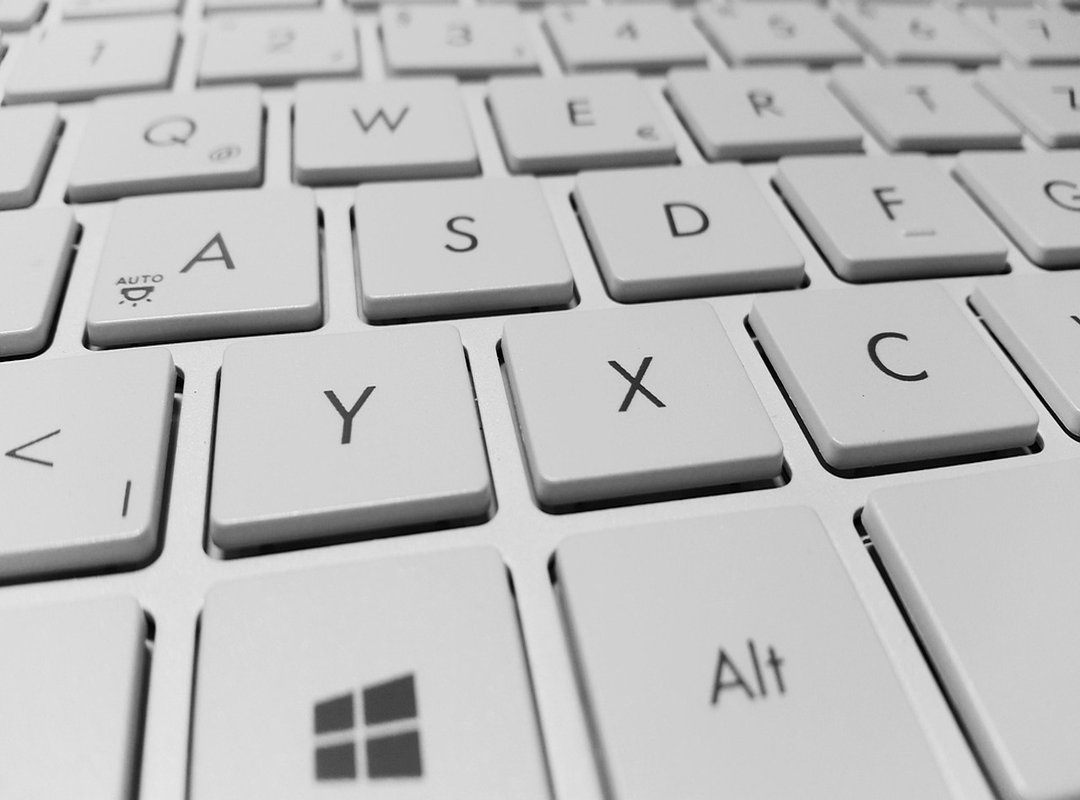
N-key rollover means the keyboard registers every key you smash at once. Anti-ghosting stops it from ignoring keys when you’re mashing combos. If your WASD + space + 1 + R all fire at once?
That’s N-key rollover working. If not? You’re losing fights.
(And yes, it’s that dumb.)
Programmable keys let you turn one press into ten. I map “F12” to reload + jump + toggle sprint. No more frantic finger gymnastics mid-boss fight.
Backlighting helps you see keys in the dark. RGB looks cool. Single-color works fine.
It’s not important. But try playing Elden Ring at 2 a.m. with no lights and a black keyboard. (You’ll curse.)
Dedicated media keys save your sanity. Mute Discord without alt-tabbing out of Valorant. Pause Spotify while your squad yells.
Simple. Obvious. Missing on too many “gaming” boards.
Wrist rests? Yes, they matter. My wrists ache after four hours on a flat plastic slab.
Which Gaming Keyboard Is Best Pmwgamegeek? I dug into real builds, not specs sheets, over at Which Gaming Gear Is the Best Pmwgamegeek. Spoiler: It’s not the one with the most LEDs.
A padded rest isn’t luxury. It’s basic ergonomics.
Skip the hype. Test the feel. Then buy the one that doesn’t betray you mid-combo.
Keyboard Size Is Not One-Size-Fits-All
I tried a full-size keyboard for six months. Then I tossed the numpad into a drawer and never looked back.
Full-size means keys everywhere (including) a numpad. Great if you crunch numbers all day or play games like StarCraft that map hotkeys there. But it eats desk space like a hungry dog.
TKL cuts the numpad. You get more mouse room. Less clutter.
Easier to carry to LAN parties.
60% shrinks further (no) function row, no arrow cluster. You’ll hit Fn combos for volume or brightness. It feels weird at first.
(I typed “F12” three times before remembering it’s now “Fn + K”.)
You don’t need a numpad just because it exists.
Ask yourself: Do I use those keys daily? Or do I just let them gather dust?
If your desk is tight or you game with fast mouse sweeps, smaller wins.
If you’re typing reports or managing spreadsheets, full-size might save time.
Which Gaming Keyboard Is Best Pmwgamegeek depends on what you actually do (not) what looks cool in a photo.
Need help pairing it with the right network gear? Check out What Gaming Router Should I Buy Pmwgamegeek.
Your Keyboard Choice Starts Now
I’ve been there. Staring at fifty keyboards online. Clicking through specs that mean nothing until you actually type on them.
The truth? There is no universal best keyboard. Which Gaming Keyboard Is Best Pmwgamegeek isn’t about what’s trending or what some streamer uses. It’s about what you need right now.
Do you smash keys in fast-paced shooters? Then speed matters. Do your wrists ache after two hours?
Then comfort isn’t optional. Is your desk cramped? Then a 60% layout might save your life.
You already know this. You just needed someone to say it out loud.
Wired or wireless? Mechanical or membrane? Anti-ghosting?
Size? All real questions. But they only matter once you decide what hurts most in your current setup.
That laggy response. That sore thumb. That $200 keyboard gathering dust because it’s too loud for your apartment.
You don’t need more reviews. You need clarity. So go try one.
Not ten. Just one (at) a store, or borrow from a friend, or order with free returns.
Sit down. Play your usual game. Type like you mean it.
If it feels off after ten minutes? Walk away. If it clicks right into place?
That’s your match.
Stop optimizing for specs. Start optimizing for you.
Now pick one. Try it. Keep what works.
Your fingers will thank you.