
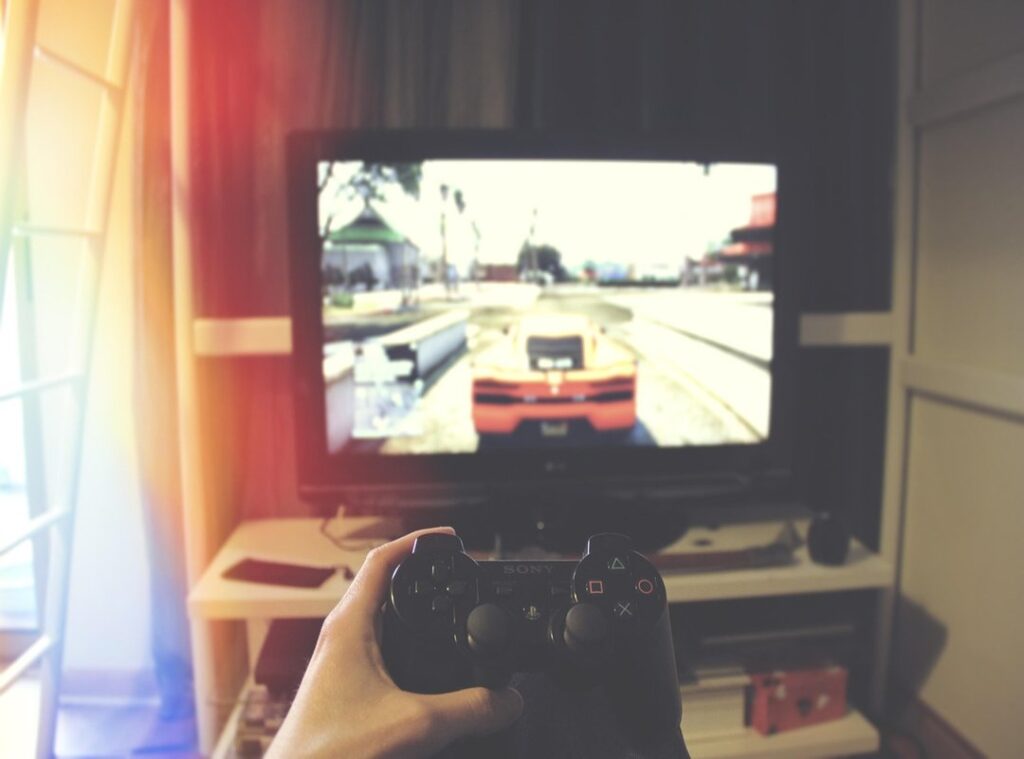
You ever feel like games just don’t offer enough variety? procedural generation games come in. They shake up the gaming space by creating unique experiences every time you play. You dive in, and it’s never the same adventure twice.
I love how they push creativity. Sure, there are traditional games that are great, but these procedural gems bring something fresh to the table. They challenge the player to adapt and rethink strategies on the fly.
In this article, I’ll break down why procedural generation matters. You’ll learn about the mechanics behind these games, how they work, and why they can be so addictive.
Plus, I’ll share tips on how to get the most out of your gaming sessions. Whether you’re a seasoned player or just curious, there’s something here for everyone. Let’s explore this exciting world together and see how it can boost your gaming experience.
Gaming Magic: Algorithmic Adventures
Algorithmically generated gaming experiences? Sounds like sci-fi, right? Let me break it down.
This phrase means game content. Like levels, quests, items, and narratives (is) created or tweaked by algorithms instead of just human designers. It’s not random chaos; there’s a method to this madness.
Procedural generation games are a big deal here. They use specific rules and parameters to craft coherent and structured content. Take Minecraft’s vast worlds or No Man’s Sky’s unique planets as examples.
These are not thrown together haphazardly. The goal is simple yet new: offer endless replayability and surprise. You never know what’s coming next, which makes every playthrough unique.
This challenges traditional game design, where everything’s laid out in a linear path. Instead, you get a more changing adventure. It’s like opening a new chapter every time you play.
You might wonder, does this keep players hooked? Absolutely. Just ask anyone who’s spent hours in roguelikes exploring ever-changing dungeons.
It’s not just about beating levels anymore; it’s an experience.
Why stick to the same old storyline when you can have a new journey every time? That’s the magic of procedural generation games.
The Core Mechanics: Crafting Changing Worlds with Algorithms
Ever wondered how procedural generation games create such expansive worlds? It’s not magic. It’s math.
Algorithms use ‘seeds,’ which are essentially starting points for generating content. Think of it like planting a seed in a garden. The rulesets and parameters then dictate how this garden grows.
This is how you get those vast terrains and detailed dungeon layouts. It’s not random chaos, but a carefully orchestrated dance of code and creativity.
Now, let’s talk about AI-driven narratives. These aren’t your typical choose-your-own-adventure books. With AI, storylines evolve based on your choices, the game’s current state, and even unexpected events.
It’s like the game is a living, breathing entity, reacting to every move you make. Remember that quest where you had to save the village? AI might turn that into an epic saga based on your actions.
It’s personalization on steroids, making every player’s journey unique.
Then there’s changing difficulty adjustment. Ever felt a game was too easy or impossibly hard? Algorithms can tweak the difficulty in real-time, aligning with your skill level.
This keeps you engaged without the frustration of repeated failures or boredom from lack of challenge. It’s a balancing act that ensures maximum player engagement.
Oh, and speaking of changing systems, have you checked out changing weather systems gameplay? It’s another layer of complexity that adds realism to games. Weather can affect your plan, turning a simple task into a tactical challenge.
These mechanics aren’t just bells and whistles. They’re the backbone of immersive gaming experiences.
Why Unique Experiences Matter to Gamers
Let’s be real. As a gamer, nothing beats the thrill of discovering something new and unexpected. It’s why procedural generation games are such a hit.
They offer a fresh canvas every time you play. No two sessions are the same, and that keeps things exciting.
Imagine wandering into a never-before-seen space or stumbling upon a unique weapon. Even a seemingly random quest can spark that same joy of discovery we crave. It’s that sense of exploration that makes us want to hit “play” again and again.
Adaptive challenges make these games even more enticing. They push your skills, keeping you from getting too comfortable or bored. You adapt, the game adapts.
Then there’s emergent gameplay, where your choices and the game’s systems collide in unpredictable ways. These moments are unscripted and often go viral, creating stories worth telling.
It’s a dance, really.
But let’s not ignore the downsides. Sometimes the randomness can feel off. Occasionally, the lack of handcrafted detail leaves you wishing for more polish.
Still, the benefits outweigh the few dull moments.
If you’re curious about diving into this world, check out the options on procedural generation games. You’ll see what I mean.
Beyond Randomness: Intelligent Game Design
People often think algorithmic generation in games is all chaos and randomness. That’s a huge misconception. Sure, algorithms can spin out endless possibilities, but they’re guided by human hands.

Designers set the rules, constraints, and biases. It’s like giving a chef a set of ingredients and a theme. The artistry remains human.
Ever heard of designer-driven procedural generation? It’s where algorithms work within a set system to create variations that feel intentional. The result?
Games that maintain aesthetic consistency and balance. Think of Minecraft or No Man’s Sky. They blend handcrafted elements with algorithmic generation, creating worlds that are both unique and polished.
They feel alive, not like a jumble of code.
In Cleveland, where I’m based, you can’t throw a rock without hitting a gamer discussing the latest updates. These games aren’t just about the tech; they’re about meaningful experiences. I’ve seen how sophisticated algorithms make sure everything fits together seamlessly (not using that word, but you get it).
Want to dive deeper? Learn more. Algorithms are tools, augmenting our creativity. They let us build worlds too vast for human hands alone.
Is there a better way to explore procedural generation games? I doubt it.
The Future of Play: What’s Next for Algorithmic Gaming?
I get it, you’re probably thinking: what’s left for algorithmic gaming? Plenty, actually. The space of gaming is about to transform with advanced AI and machine learning.
Now, let’s talk about player-driven content. Algorithms might soon curate user-generated levels intelligently, making community-driven games richer and more immersive. It’s like crowdsourcing creativity but on steroids (in a good way).
These aren’t just buzzwords; they’re the backbone of truly intelligent, player-responsive experiences. Imagine an AI game master that adapts dynamically to your play style, creating a world that evolves as you do. That’s where the magic happens.
Cross-game integration is another frontier. Procedural generation games could connect universes across platforms, offering experiences that never stagnate. Are there challenges?
Sure. Creative control and bias prevention spring to mind, but aren’t those just chances to innovate? Gaming’s future isn’t just bright; it’s blindingly exciting.
Embrace the Adventure of Changing Games
You wanted a clear view of procedural generation games, and I hope I’ve delivered. The craving for endless novelty and replayability is real. That’s why algorithmically generated content is more than just a trend; it’s important for fresh gameplay experiences.
I encourage you to seek out games that use these techniques. Dive into their mechanics and strategies. Connect with the community to raise your gaming.
Want to boost your experience? Explore these changing worlds now. Your next gaming adventure awaits.
Step up and enjoy a truly engaging journey. Don’t miss out on what these games have to offer.